






An outdated appearance, poor mobile experience, or weak conversion rates can all indicate it's time for an update. Discover seven common warning signs in this article.
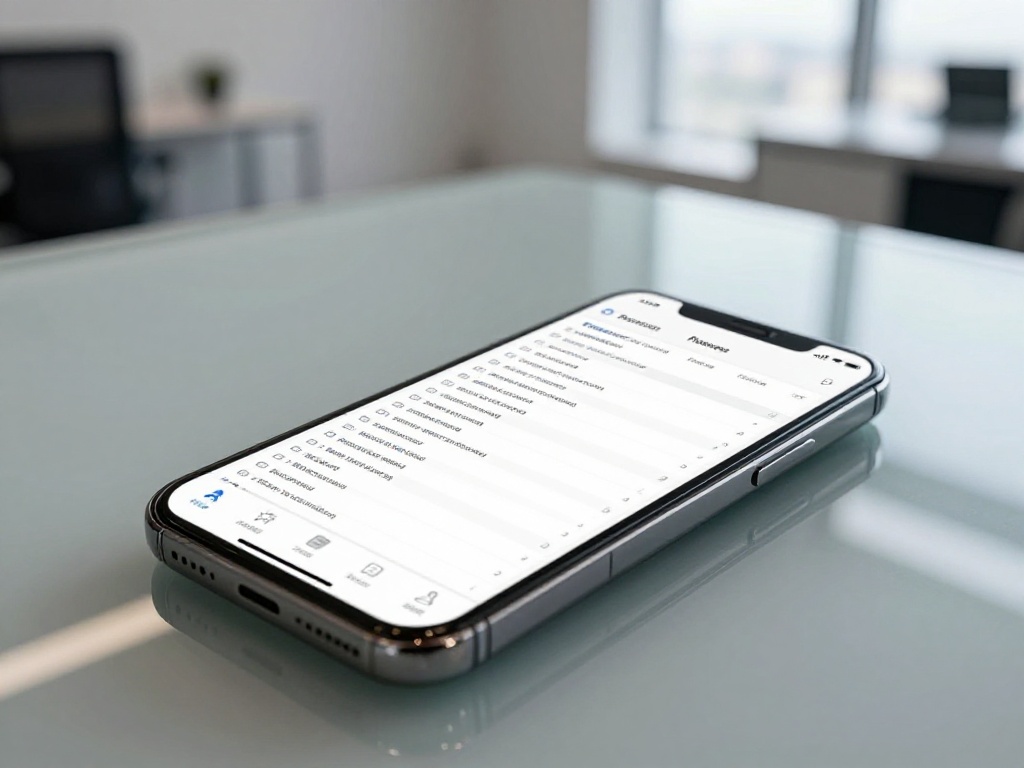
Checklist for launching an IT project: from idea to implementation
Successful IT projects begin long before development starts. Clear objectives, realistic planning, and structured processes are often the difference between a successful launch and an expensive setback. Industry research consistently shows that weak planning and unclear expectations remain among the leading causes of project failure. To avoid delays, budget issues, and communication problems, it's important to establish a solid foundation before any development work begins. This checklist outlines the key stages that help turn an idea into a successful digital product.
1. Define the business idea and project goals
The starting point is understanding exactly why the project is needed and what business challenge it is intended to address. General goals such as "build a website" or "launch an application" are not enough. Every project should be connected to a measurable outcome, whether that means increasing revenue, improving efficiency, validating a concept, or reducing operational costs.
Ask yourself:
- What outcome are we aiming for?
- Who is the end user?
- How does this project align with the broader business strategy?
Document your answers in a vision statement or project brief. This becomes the foundation for all future decisions.
2. Research the market and target audience
Even a well-designed product can fail if it does not address a genuine market need. Before investing in development, take time to understand the competitive landscape and the expectations of your target audience.
- Your competitors' strengths and weaknesses;
- What alternatives already exist;
- What pain points or unmet needs your audience still has.
Gather information through customer interviews, surveys, competitor reviews, and industry research. The objective is not to confirm assumptions but to identify real challenges users are trying to solve. At this stage, defining several user personas and their most common journeys can provide valuable direction.
3. Define core features and priorities
One of the most common project risks is trying to deliver too many features at once. Expanding scope too early often increases costs, delays delivery, and creates unnecessary complexity. Focusing on a well-defined MVP helps maintain momentum and validate ideas faster.
List only those features that:
- Solve the main problem;
- Allow early feedback from users;
- Can be delivered within a reasonable time and budget.
Create a structured feature list and categorize requirements based on priority. This approach helps teams focus on delivering value while preventing uncontrolled growth in project scope.
4. Choose the tech stack and assemble the team
Technology decisions should always support business objectives rather than follow industry trends. The right combination of tools depends on project requirements, scalability expectations, available resources, and long-term maintenance considerations.
You'll need to define:
- Backend and frontend stacks (e.g., Node.js + React, Laravel + Vue);
- Architecture (monolithic, microservices, or serverless);
- Hosting options (cloud, VPS, on-premises).
Whether using internal teams, external specialists, or a hybrid approach, every role should be clearly defined. Successful projects typically require more than developers alone, with project management, design, and quality assurance playing equally important roles.
5. Prototyping and UI/UX design
Creating a prototype before development begins helps reduce uncertainty and identify potential issues early. Interactive prototypes allow stakeholders to review workflows, validate assumptions, and improve usability before significant development resources are invested.
- Test user flows before development begins;
- Identify usability issues early;
- Align stakeholders on structure and layout.
Tools such as Figma, Adobe XD, and Axure are commonly used to build prototypes and wireframes. Once functionality and navigation are approved, visual design can focus on branding, responsiveness, accessibility, and consistency across devices.
6. Plan sprints and development phases
With requirements and designs approved, development should be organized into manageable phases. Agile methodologies such as Scrum and Kanban help teams maintain visibility, adapt to change, and deliver progress in a predictable manner.
Each sprint should include:
- Clear task definitions and completion criteria;
- Regular stand-ups and demos (if the team is internal);
- Ongoing testing and iteration;
- Feedback sessions and adjustments.
Quality assurance should begin from the earliest stages of development. Continuous testing helps identify issues quickly and prevents defects from reaching production environments.
7. Testing, deployment, and launch
Before releasing a product, comprehensive testing should cover functionality, performance, compatibility, security, and potential failure scenarios. Launch preparation should include both technical readiness and operational planning.
Once testing is complete, deploy the project to the production environment. Be sure to set up:
- Monitoring systems (Sentry, Prometheus, etc.);
- Rollback options in case of emergency;
- Support documentation and escalation procedures.
A successful launch requires clear responsibilities, support processes, communication plans, and monitoring procedures to ensure a smooth transition into production.
8. Collect feedback and plan future iterations
Launching a product is not the final step. Once users begin interacting with the solution, valuable insights become available that can guide future improvements and development priorities.
Track:
- Which features are actually used (and which are not);
- Where users struggle or drop off;
- How users interact with the product in real life (vs. your assumptions).
Real-world usage data helps identify opportunities for optimization and ensures future releases remain aligned with customer needs. Continuous improvement is one of the key characteristics of successful digital products.
How Shabeltone helps you launch IT projects right the first time
Starting a digital project without proper planning often results in avoidable delays, unexpected costs, and missed opportunities. At Shabeltone, we help businesses establish the right foundation from the very beginning.
Here's how we support your project:
- We run workshops to clarify your idea and goals;
- We help choose the best stack, architecture, and team model;
- We build UX prototypes and modern UI designs;
- We manage the project using Agile with full transparency;
- We support post-launch operations and respond quickly to user feedback.
Successful digital products are rarely the result of luck. They are built through careful planning, clear communication, and experienced execution. With Shabeltone, your project moves from concept to launch through a structured process designed to minimize risk and maximize long-term value.

Contact Us Now
Not Found Your Answer? Just Ask Us!
Recent Post
 Our Blog
Our Latest Blog & News


A successful website should be both useful and persuasive. Learn the key UX practices that improve user journeys and help turn visitors into customers.

Should your business invest in organic search or paid campaigns? We compare both approaches, outline their strengths, and explain how they can work together effectively.